
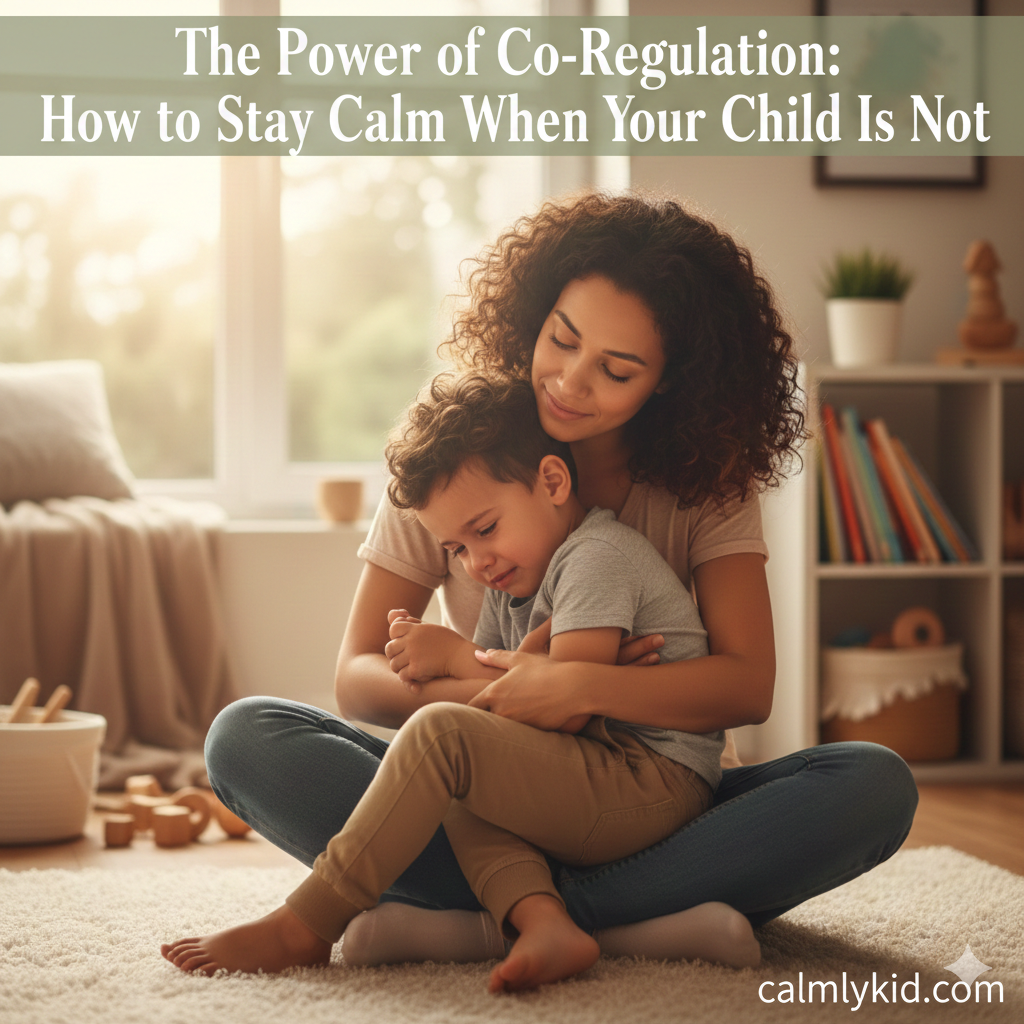
Understanding Co-Regulation
Co-regulation refers to the process by which individuals influence each other’s emotional and physiological states. In the context of parenting, co-regulation describes how parents and caregivers can help children manage their emotional responses to challenging situations. This process is particularly significant in the developmental journey of children, as it lays the foundation for their emotional well-being and self-control.
To differentiate between self-regulation and co-regulation, it is essential to recognize that self-regulation involves an individual’s ability to manage their emotions independently. In contrast, co-regulation relies on external support from caregivers who provide the necessary guidance and reassurance. In the early years, children often lack the skills and maturity to regulate their own emotions effectively, making co-regulation a critical component of their emotional development.
Parents play an indispensable role in this framework, serving as models for emotional responses and regulation strategies. For example, when a child experiences frustration or anxiety, a parent can demonstrate calming techniques or express empathy. This interaction not only helps the child to settle down but also teaches them how to approach emotional challenges in the future. Moreover, the presence of a calm and supportive caregiver can facilitate a child’s ability to learn self-regulation over time.
Understanding co-regulation is vital for effective parenting. It highlights the importance of a nurturing environment where children feel safe to express their emotions. By fostering such an atmosphere, parents can teach their children how to navigate the complexities of their feelings and develop the resilience necessary for emotional stability. As a result, co-regulation ultimately fosters a more profound connection between parent and child, encouraging a collaborative approach to emotional management.
The Parental Role in Emotional Regulation
Emotional regulation is an essential component of parenting, particularly in moments when children are experiencing distress. The way a parent responds to their child’s emotional state can significantly influence the child’s ability to self-regulate their feelings. This phenomenon is often referred to as emotional contagion, where one individual’s emotions can influence and evoke similar emotions in another. Parents can either exacerbate a child’s distress or help soothe it through their demeanor and reactions.
A calm and composed parent serves as a model of emotional regulation for their child. When parents maintain a level of tranquility in the face of their child’s overwhelming feelings, it provides a sense of safety and security for the child. The child is more likely to mirror this calmness, enabling them to manage their emotions more effectively. This is especially vital during challenging situations such as tantrums or episodes of anxiety, where the child may feel overwhelmed and unable to cope.
Conversely, if a parent reacts with heightened emotions, such as frustration or anxiety, it can lead to a feedback loop where the child’s distress escalates further. This reinforces the importance of parents being mindful of how their own emotional responses affect their children. By practicing self-regulation techniques, such as deep breathing or positive affirmations, parents can cultivate a tranquil atmosphere, which is conducive to emotional healing.
Ultimately, the parental influence on emotional regulation highlights the interconnectedness between parent and child. By fostering an environment of calmness, parents not only help their children navigate their emotional landscape but also promote healthier emotional development in the long run.
Recognizing Signs of Stress in Children
Identifying the signs of stress in children is crucial for parents aiming to support their emotional well-being. Children may not always express their feelings verbally; instead, they often communicate their struggles through various behavioral, emotional, and physical changes. Understanding these indicators can help parents intervene appropriately and foster a calming environment.
Behavioral signs are often the first indicators of stress in children. Watch for changes in activity levels, such as hyperactivity or lethargy. A child who typically engages in play may suddenly withdraw or exhibit increased irritability, which can signal an emotional struggle. Additionally, regression to earlier behaviors, like bedwetting or thumb-sucking, can point to stress and discomfort.
Emotional indicators are equally essential to recognize. Children experiencing stress may display heightened sensitivity, mood swings, or increased anger and frustration. They might have difficulty concentrating, leading to declining academic performance or trouble with relationships. Parents should listen for verbal clues, such as expressions of worry or fear, and assess whether their child is expressing feelings that might indicate underlying stress.
Physical symptoms can also reveal a child’s stress levels. Complaints of headaches, stomachaches, or other bodily discomforts may arise without any apparent medical cause, often linked to emotional distress. Sleep disturbances, including nightmares or trouble falling asleep, further contribute to the list of potential signs. Recognizing these physical cues is vital, as they can significantly impact the child’s overall health and daily functioning.
By being attentive to these behavioral, emotional, and physical signs of stress, parents can better understand their child’s emotional state. This awareness will enable them to offer the necessary support and create a nurturing environment where co-regulation can thrive, ultimately leading to improved emotional resilience for their child.
Strategies for Staying Calm
Maintaining a sense of calm while navigating challenging moments with an upset child can be demanding. However, implementing specific strategies can significantly aid parents in managing their emotions and responding effectively. Here are several techniques designed to promote calmness during stressful interactions.
One of the most effective methods for regulating one’s own emotional state is through deep breathing exercises. When faced with a child’s distress, locating a quiet space to focus on deep, intentional breaths can help. A common technique involves inhaling slowly for a count of four, holding for four, and then exhaling for six. This practice not only reduces immediate stress but also establishes a more composed demeanor that children often mirror.
Mindfulness practices can also play a pivotal role in maintaining calmness. Engaging in mindfulness involves being present in the moment without judgment. Parents can practice this by observing their thoughts and feelings and recognizing them without becoming overwhelmed. For example, during a difficult episode, asking oneself, “What am I feeling right now?” can foster awareness and prevent reactiveness.
Moreover, utilizing self-talk scenarios can bolster parental composure. These scenarios might include affirming phrases such as, “I can handle this,” or “This is temporary, and things will improve”. Such positive affirmations can serve as powerful reminders to maintain a calm and reassuring presence.
Incorporating these strategies into daily routines can help parents cultivate a sense of calmness. Over time, these techniques can enhance emotional regulation, allowing parents to navigate stressful parenting moments more effectively, thereby fostering a supportive environment for their children to express their feelings and emotions safely.
Creating a Calm Environment
The environment in which we reside plays a significant role in emotional regulation for both parents and children. A calm environment can greatly assist in promoting tranquility and emotional stability, thereby enhancing the ability to co-regulate during challenging moments. Therefore, one must consider various factors that contribute to creating such an atmosphere.
One essential element to consider is reducing noise levels in the home. Excessive sound can be overwhelming and may heighten feelings of anxiety or stress. Utilizing soft music, white noise machines, or simply creating quiet zones can help cultivate a serene environment. Equally important is eliminating visual clutter, which can serve as a distraction and exacerbate emotional disturbances. Keeping living spaces organized and minimally decorated can aid in attaining a sense of peace.
Incorporating sensory-friendly practices is another effective strategy for emotional regulation. When selecting colors for your child’s room or play area, consider using soft, muted tones that promote relaxation rather than vibrant colors that may evoke a sense of overstimulation. Additionally, consider the textures present in the environment. Utilizing soft, comfortable fabrics can create a sense of safety and calm.
Moreover, creating designated spaces for quiet time can foster an atmosphere conducive to emotional regulation. Small nooks with comfortable seating, calming visuals, and favorite books can provide refuge when emotions may be overwhelming. Encouraging intentional time spent in these spaces can help your child learn to self-soothe and regain composure when needed.
In conclusion, designing a calm environment is crucial for supporting emotional regulation. By consciously implementing measures to reduce noise, clutter, and sensory overload, parents can facilitate a tranquil atmosphere that not only benefits their children but also promotes their own emotional well-being.
Techniques for Co-Regulating with Your Child
Co-regulation is an essential skill for fostering emotional safety and stability in children. When a child is upset or overwhelmed, parents can implement various techniques to help soothe and calm them. One effective strategy is the use of visual aids, such as calming charts or mood thermometers. These tools can help children identify their feelings and understand the necessary steps to navigate through their emotions. By visualizing their internal states, children may gain a sense of control and empowerment, facilitating emotional regulation.
Modeling calm behaviors is another pivotal approach. Children learn naturally through observation, and when parents demonstrate composed responses to stress, they provide a behavioral blueprint for their children to emulate. Techniques such as deep breathing, counting to ten, or using soft, soothing speech can significantly impact a child’s emotional response to situations. Encouraging role-play can also help children practice these calming techniques, reinforcing their ability to self-regulate in future circumstances.
Additionally, employing physical connections—such as hugs, holding hands, or gentle touch—can create a profound sense of security, enabling children to feel safer in moments of distress. These physical interactions promote neural connections that foster emotional stability and can effectively diminish anxiety. To reinforce the co-regulation process, parents can engage in playful activities that require teamwork; this not only strengthens the emotional bond but also accentuates the effectiveness of co-regulation by promoting shared experiences of warmth and joy.
In essence, by integrating these techniques into daily interactions, parents can significantly enhance their child’s ability to manage emotions and build resilience. Co-regulation is a powerful tool that ultimately helps lay the foundation for a secure emotional environment, essential for a child’s development.
The Importance of Connection and Communication
Establishing a strong connection between a parent and child forms the foundation for effective emotional regulation. This bond is nurtured through open communication, where both parties feel safe expressing their thoughts and feelings. When children perceive their parents as approachable, they are more likely to share their emotions, fears, and concerns. This openness lays the groundwork for meaningful dialogues that can help them navigate challenging situations.
Active listening plays a crucial role in enhancing this connection. It involves more than just hearing the words spoken; it requires full attention and understanding. When parents practice active listening, they demonstrate respect for their child’s feelings, fostering a sense of validation. This validation is significant as it reassures children that their emotions are acknowledged and valued, thereby encouraging them to articulate their feelings further. Parents can enhance their active listening skills by maintaining eye contact, responding appropriately, and reflecting on what their child has said.
Additionally, validation of feelings is essential for helping children feel understood. Often, children may express their emotions in ways that seem disproportionate to the adult perspective. However, acknowledging these feelings without judgment validates their experience and encourages them to feel safe in expressing emotion. For instance, a simple affirmation such as, “I understand that you’re feeling upset, and it’s okay to feel that way,” can enhance a child’s emotional resilience.
In conclusion, fostering a strong connection through communication and validation not only helps in reducing the intensity of emotional outbursts but also equips children with tools for self-regulation. As parents value these elements in their interactions, they pave the way for healthier emotional development, benefiting both the child and the parent in times of distress.
When to Seek Professional Help
As parents, it is essential to recognize that while co-regulation techniques can be effective in fostering emotional stability in children, there may come a time when additional support is needed. Identifying the right moment to seek professional help can significantly impact a child’s development and overall well-being.
If a child exhibits persistent behavioral issues that do not improve with co-regulation strategies, this may indicate the need for external assistance. Parents should observe for signs such as increased aggression, prolonged emotional outbursts, or withdrawal from typical activities. These behaviors might suggest that underlying issues are affecting the child’s ability to self-regulate and interact cohesively with their environment.
Moreover, if co-regulation techniques lead to heightened distress for both the parent and child, it is crucial to consider seeking help. A trained professional, such as a child psychologist or counselor, can provide tailored guidance, helping to clarify challenges that may be outside the scope of co-regulation. Look for warning signs such as disruptions in daily routines, difficulties in forming peer relationships, or declines in academic performance, as these can be indicators that professional assistance is warranted.
It is also important to remember that the support of professionals is not solely for crisis situations. Parents are encouraged to seek guidance when they feel overwhelmed by parenting challenges or require strategies beyond their current toolkit. In these instances, collaborating with experts can empower both parents and children, allowing them to navigate complex emotions and behaviors effectively.
In summary, recognizing when to seek professional help is a vital skill for parents striving to support their child’s emotional development. Early intervention can facilitate positive outcomes and ensure that both the parent and child have access to necessary resources during challenging times.
Conclusion: Empowering Parents Through Co-Regulation
Co-regulation is an essential process that can significantly enhance the parent-child relationship, particularly in challenging moments. By remaining calm and composed, parents can effectively model emotional regulation for their children, thereby fostering a supportive environment where children feel safe to express their emotions. Throughout this blog post, we have explored various strategies for implementing co-regulation techniques and the importance of parental self-awareness in maintaining emotional stability.
Parents who consciously practice co-regulation not only help their children navigate through emotional turmoil but also contribute to the development of their children’s emotional intelligence. This process is crucial, as emotionally intelligent children are more likely to experience healthier relationships, improved self-regulation, and a better understanding of their own feelings. It is important to remember that this journey requires patience and time, as developing these skills does not happen overnight.
Furthermore, fostering an environment characterized by co-regulation encourages open communication and trust between parents and children. By prioritizing emotional safety and connection, parents enable their children to explore their feelings and learn how to manage them effectively. This holistic approach to parenting can ultimately lead to more resilient children capable of facing life’s challenges with a sense of empowerment.
As you incorporate co-regulation practices into your daily parenting routine, keep in mind that the path towards emotional intelligence is gradual. Celebrate small victories along the way, and remain flexible in your approaches. With dedication, parents can profoundly impact their children’s emotional development, creating a lasting foundation for their future well-being. Empowering parents through co-regulation is not just about managing a child’s emotions; it is about fostering a harmonious family dynamic that promotes growth, understanding, and love.
Leave a Reply