
Introduction: The Importance of Teaching Climate Resilience to Kids
In an era marked by escalating environmental challenges, the urgency to instill climate resilience in future generations is more pressing than ever. Climate resilience refers to the ability to anticipate, prepare for, respond to, and recover from adverse environmental events and changes, fundamentally ensuring the sustainability of our planet. As we observe increasing occurrences of extreme weather patterns and environmental degradation, the significance of weaving climate resilience into the fabric of children’s education is paramount.
Children are not only the leaders of tomorrow but also active participants in the present. Their daily interactions with the environment provide an opportune platform for teaching eco-conscious behaviors. By incorporating climate resilience into everyday activities and chores, parents and educators can foster a sense of responsibility and empowerment in children. Simple tasks such as recycling, conserving water, and minimizing energy consumption not only instill eco-conscious values but also enable kids to grasp the impact of their actions on the world around them.
Moreover, engaging children in climate-related chores can enhance their understanding of ecological principles in tangible ways. Activities ranging from gardening to sorting waste help children internalize the importance of sustainability, promoting a lifestyle rooted in respect for the environment. These practical experiences not only enrich their knowledge but also cultivate empathy towards the natural world.
Ultimately, teaching climate resilience to children is not merely about imparting knowledge; it is about reshaping attitudes and behaviors that will lead to a more sustainable future. Children’s capacity to affect change should not be underestimated. By placing eco-friendly practices at the center of their daily routines, we lay the groundwork for a generation equipped to combat climate change and contribute positively to our planet’s health.
Understanding Climate Resilience: What Does It Mean?
Climate resilience refers to the ability of individuals, communities, and ecosystems to withstand and adapt to the impacts of climate change and other environmental challenges. This concept encompasses a range of adaptive capacities that allow communities to recover from disturbances and continue to thrive despite changes in their surroundings. As climate change progresses, understanding climate resilience becomes increasingly important, especially for future generations who will face these challenges head-on.
At its core, climate resilience involves proactive strategies that aim to mitigate environmental impacts while enhancing the sustainability of our natural resources. By fostering habits and encouraging practices that promote ecological balance, we can significantly contribute to building resilience at both local and global levels. Simple actions taken by children, such as recycling, conserving water, and participating in community gardening, can serve as foundational steps toward larger environmental stewardship initiatives.
Numerous communities worldwide exemplify climate resilience through innovative practices. For instance, cities engaged in urban greening projects effectively counter the heat island effect by increasing green space. This not only improves air quality but also enhances community well-being. Additionally, diverse agricultural practices that include crop rotation and permaculture demonstrate how local farmers adapt to changing climatic conditions while maintaining food security.
In illustrating climate resilience, it is essential to emphasize the interconnectedness of our ecological systems. Nature itself exemplifies resilience; ecosystems often recover from disturbances, such as wildfires or floods, through natural regeneration. By learning from these natural processes, children can develop an appreciation for ecological systems and an understanding of their roles in conservation efforts. This awareness can form the basis for lifelong habits that contribute to environmental sustainability, fostering a generation of eco-conscious individuals.
Lead by Example: The Role of Parents in Shaping Eco-Kids
In an era marked by climate change and environmental degradation, parents play a pivotal role in promoting eco-consciousness among their children. By modeling eco-friendly behaviors, parents can effectively instill values that prioritize sustainability and resilience toward environmental challenges. Children often learn through observation, and when parents engage in practices such as recycling, reducing waste, and conserving energy, they not only reinforce these behaviors but also promote a sense of responsibility towards the planet.
One effective strategy for encouraging eco-conscious behavior in children is practicing recycling together as a family. By setting up designated recycling bins in the household and involving children in sorting waste, they become accustomed to the idea that resources can be reused and repurposed. This practice not only helps manage household waste but also serves as a practical lesson on the importance of minimizing environmental impact.
Another valuable approach is to incorporate energy conservation techniques into daily routines. Parents can engage children in activities such as turning off lights when leaving a room, unplugging electronics when not in use, and using energy-efficient appliances. These actions teach children about resource management and the importance of preserving the planet’s resources now and for future generations.
Furthermore, leading by example extends to outdoor activities and stewardship of nature. By participating in local clean-up events or nature walks, parents can illustrate the value of caring for local ecosystems. Encouraging children to appreciate nature fosters a sense of belonging and responsibility toward their environment.
Ultimately, the impact of parental actions and attitudes towards the environment cannot be overstated. By becoming eco-role models and incorporating environmentally friendly practices into daily life, parents can equip their children with the knowledge and values they need to navigate a world increasingly affected by climate change.
Five Daily Chores to Encourage Eco-Consciousness in Kids
Teaching children about climate resilience can begin with simple daily chores that foster an understanding of sustainability. Here are five age-appropriate tasks that can be seamlessly integrated into their routines.
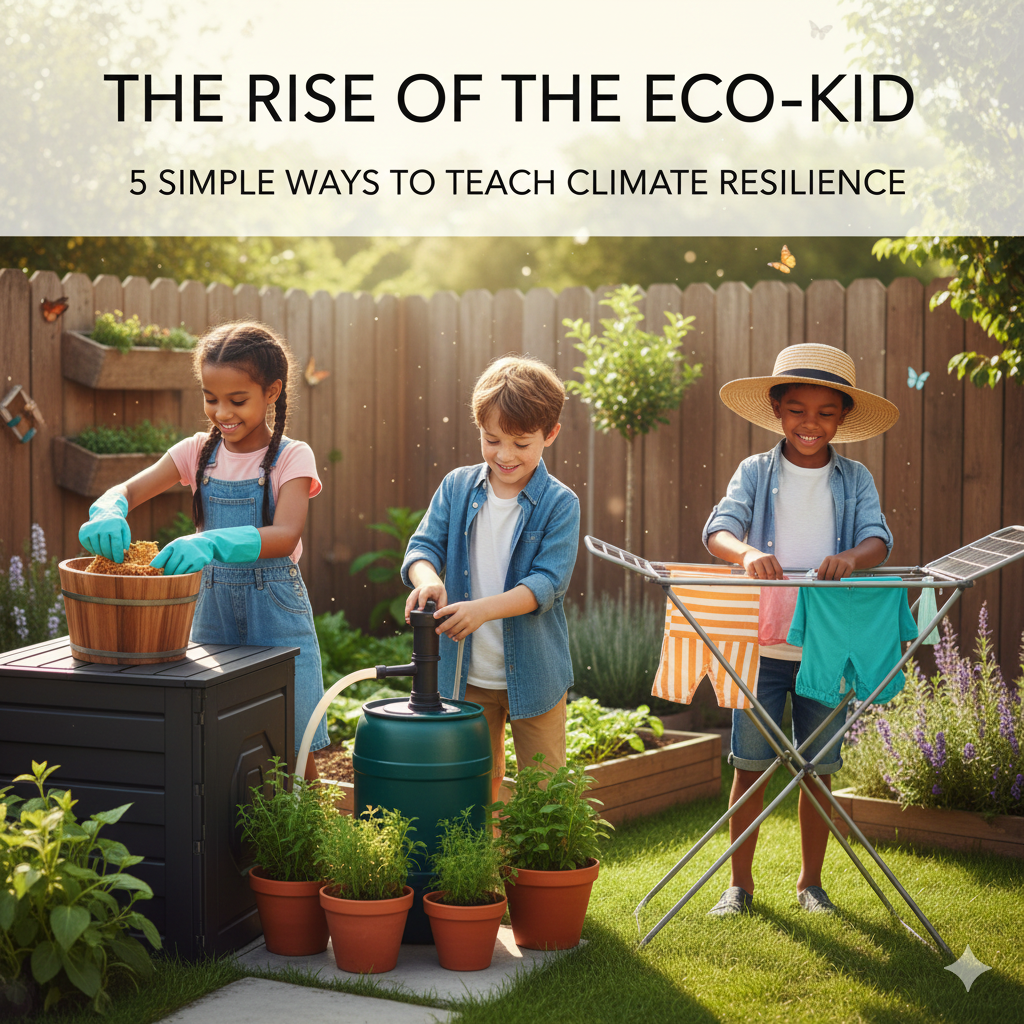
1. Recycling – Encourage children to sort their waste materials into different bins. This chore not only helps them understand the importance of recycling but also instills a sense of responsibility for managing waste. Kids can be taught how to differentiate between plastics, paper, and glass, thus fostering a habit of recycling that contributes to reducing landfill waste.
2. Gardening – Engaging children in gardening allows them to connect with nature while learning about the benefits of growing their own fruits and vegetables. This chore teaches them about plant growth cycles and the significance of organic farming. Moreover, as they nurture plants, they develop an appreciation for the environment and the food sources they rely on.
3. Water Conservation – Assigning kids the task of turning off the tap while brushing their teeth or collecting rainwater for plants is a practical way to impart water conservation habits. This chore emphasizes the importance of saving water and highlights its scarcity in many parts of the world, encouraging eco-conscious behavior from a young age.
4. Dusting and Cleaning – Having children assist in cleaning the home using eco-friendly products can teach them about the impact of harmful chemicals on the environment. This chore is an opportunity to discuss the benefits of preserving indoor air quality and the importance of using sustainable cleaning practices.
5. Meal Preparation – Involve children in meal planning and preparation using locally sourced ingredients. This chore can help them understand the environmental benefits of consuming seasonal produce and reducing carbon footprints associated with food transport. Additionally, it fosters healthier eating habits and culinary skills.
By integrating these daily chores into their routines, parents can effectively instill eco-consciousness in their children, leading to a more sustainable future.
Making Chores Fun: Creative Approaches to Engage Kids
Engaging children in household chores can be a challenging endeavor, especially when their enthusiasm tends to wane quickly. However, by infusing creativity and playfulness into these everyday tasks, parents can transform chores into enjoyable activities that not only promote responsibility but also foster a connection to the environment. One effective approach is to gamify the chores. This can be achieved by turning tasks into a friendly competition where children earn points or rewards for completing tasks. For instance, a race against the clock to see who can gather and sort recycling materials the fastest can instill a sense of urgency and fun, making the process feel less like a chore.
Another imaginative method is incorporating storytelling into routines. Parents can create a narrative around a chosen task, emphasizing themes related to nature and environmental responsibilities. For example, inviting a child to become a “guardian of the garden” while weeding or watering plants can inspire a sense of purpose and connection with the earth. This fictional aspect not only captivates the child’s attention but also reinforces the value of taking care of their surroundings through an imaginative lens.
Additionally, themes can be introduced to relate chores back to the eco-friendly lifestyle. Organizing a “green day” where kids participate in tasks that promote sustainability, such as sorting plastic and paper for recycling or creating compost bins, can significantly enhance their awareness and involvement. Encouraging creativity by allowing children to decorate their chore charts or badges can further personalize their experiences, leading to increased motivation.
By employing these creative strategies, parents can cultivate a more positive attitude towards chores. This ultimately aids in teaching children climate resilience and the importance of their contribution to a sustainable future. Consequently, engaging kids in chores can become a rewarding family experience, laying the foundation for responsible and eco-conscious individuals.
Integrating Eco-Learning into Daily Routines
Incorporating environmental lessons into daily chores can significantly enhance children’s understanding of ecological principles. This approach not only makes the chores more meaningful but also fosters a sense of responsibility toward the planet. Simple tasks such as washing dishes, cooking, or even cleaning up can serve as valuable opportunities to educate young minds about environmental sustainability.
For instance, when washing dishes, caregivers can discuss the water cycle. Explaining how much water is needed for washing could lead to a broader conversation about water conservation and its significance for sustaining life on Earth. Children can be encouraged to think critically about the importance of saving water while cleansing their dishes.
Cooking can serve as an excellent platform to discuss food sources and their ecological impact. By exploring where ingredients come from, families can highlight the differences between locally sourced foods and products that require extensive transportation, thereby emphasizing carbon footprints. Engaging children in these discussions while they help prepare meals can help make the connection between their food choices and environmental health.
Moreover, tidying up around the house provides yet another chance to promote ecological mindfulness. When organizing toys or clothes, discussions about recycling and reusing can emerge. Children can learn about the importance of reducing waste and the benefits of donating items they no longer use instead of discarding them. Associating these chores with broader environmental themes reinforces the value of sustainable practices in everyday life.
By seamlessly weaving eco-lessons into the fabric of daily routines, families can cultivate a generation of environmentally conscious individuals. These experiences not only build vital skills but also instill a lifelong commitment to caring for the planet.
Rewarding Eco-Friendly Behavior: Building Positive Habits
Recognizing and rewarding eco-friendly behaviors in children plays a crucial role in developing their understanding of sustainable practices and environmental stewardship. By acknowledging their efforts, caregivers can help instill positive habits that empower children to engage with climate resilience actively. Implementing a reward system is an effective way to promote eco-friendly actions. Such a system can involve tangible rewards, like stickers or small privileges, as well as intangible rewards, such as praise and recognition for their contributions. This approach not only incentivizes participation but also reinforces the importance of their actions.
Engaging children in discussions about their impact on the environment is another valuable strategy. For instance, when a child participates in recycling or conserving water, caregivers can highlight how these actions contribute to a healthier planet. This dialogue encourages them to understand the significance of their behavior and fosters a sense of responsibility towards climate change. By helping children connect their daily chores with broader environmental initiatives, they can better appreciate the part they play in preserving their surroundings.
Celebrating their achievements, no matter how small, is equally important in building persistence and enthusiasm for sustainable living. Families can create rituals for recognizing eco-friendly accomplishments, such as a monthly eco-awards night where children share their successes in adopting green practices. Such celebrations foster a positive atmosphere that encourages ongoing engagement with eco-conscious activities. Through these various reinforcement techniques, children will not only be motivated to continue making eco-friendly choices but will also integrate these practices into their everyday lives, leading them to become proactive stewards of the environment.
Community Involvement: Expanding Their Eco-Consciousness
Engaging children in community initiatives is a powerful approach to teaching them about climate resilience and environmental stewardship. By participating in local environmental activities, children can develop a stronger sense of connection to their surroundings and learn the importance of collective responsibility. One effective way to involve kids is by encouraging them to join local clean-up events. These initiatives not only help to beautify public spaces but also serve to educate young participants about the detrimental effects of littering and pollution on the environment.
Furthermore, community gardens can be an excellent avenue for fostering eco-consciousness among children. Through hands-on experiences in gardening, they become aware of food sources, biodiversity, and the significance of sustainable practices. As they plant, tend, and harvest crops, children learn about the cycles of nature and the importance of preserving local ecosystems. This type of involvement also promotes teamwork, as children often collaborate with peers and adults, nurturing their ability to work effectively with others.
Joining eco-clubs at school further enhances their learning experience by encouraging participation in discussions and projects centered on environmental issues. These clubs provide children with a platform to voice their ideas, develop leadership skills, and implement eco-friendly initiatives within their school community. Participation in eco-clubs not only deepens their understanding of climate challenges but also empowers them to take action and influence others to adopt sustainable practices.
Incorporating these community-oriented activities helps children to develop a sense of agency and responsibility. As they witness the cumulative effects of their collective efforts, they gain a clearer understanding of the impact they can have on their community and the environment at large. Moreover, this involvement instills values of empathy, social responsibility, and respect for nature, which are essential components of nurturing the eco-conscious citizens of tomorrow.
Conclusion: The Long-Term Impact of Raising Eco-Kids
In a world increasingly shaped by climate change, instilling a sense of environmental responsibility in children is more crucial than ever. The concept of raising “Eco-Kids” can have far-reaching implications for both individuals and society as a whole. By integrating climate resilience into daily chores, parents not only teach their children about sustainability but also cultivate habits that are likely to influence their future lifestyle choices. The small actions taken at home—from recycling and conserving water to gardening—can foster a lifelong sense of stewardship towards the planet.
The journey towards nurturing Eco-Kids involves recognizing the value of everyday responsibilities. Each chore offers a unique opportunity to educate children about their impact on the environment. For instance, managing waste through proper sorting enhances their understanding of recycling, while participation in sometimes labor-intensive household tasks sheds light on larger environmental challenges. By directly involving children in these activities, they grow to appreciate the consequences of their actions, potentially leading them to become engaged citizens who advocate for sustainable practices in their communities.
Ultimately, the habits cultivated in childhood can guide individuals toward responsible adulthood. As these Eco-Kids transition into environmental stewards and leaders, they can inspire others to adopt sustainable practices, creating a ripple effect. This generation has the potential to confront the current climate crisis with innovative solutions and resilience. Hence, it is imperative for parents and educators to actively participate in crafting experiences that build eco-conscious habits. By investing in the education of Eco-Kids today, we are paving the way for a more sustainable future, where climate resilience is part and parcel of everyday life and a shared societal goal.
Leave a Reply