
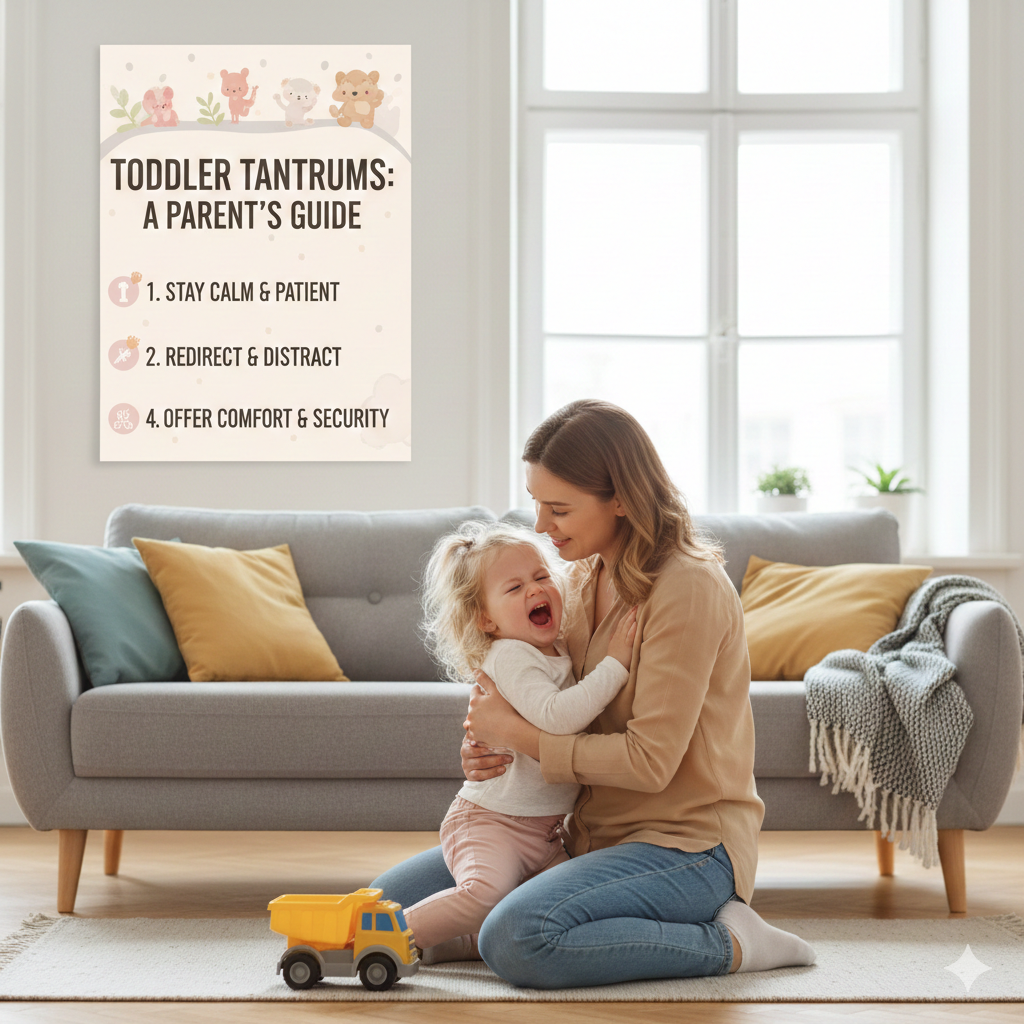
Dealing with a tantrum-throwing toddler can be tough. The screaming, crying, and flailing can make you feel frustrated and helpless. But, what if tantrums could be chances for growth and bonding with your child?
Gentle parenting is a kind way to handle toddler temper tantrums. It involves understanding and meeting your child’s feelings and needs. This approach helps create a safe space for emotional growth and learning.
Wondering how to use gentle parenting in tough moments? The answer is simple. With a few key techniques, you can manage toddler tantrums with confidence and care.
Key Takeaways
- Understand the causes of toddler tantrums and how to address them.
- Learn gentle parenting strategies to manage tantrums effectively.
- Create a supportive environment that encourages emotional regulation.
- Discover how to stay calm and patient during tantrums.
- Develop a stronger, more empathetic relationship with your child.

Understanding Toddler Tantrums: What’s Really Happening in Your Child’s Brain
Toddler tantrums can be confusing and stressful for parents. But knowing what’s happening in their brain can help manage these outbursts. These tantrums involve brain development, emotional control, and outside factors.
The Science Behind Emotional Outbursts in Toddlers
Toddlers’ brains are still growing, mainly the parts for emotional control. This growth is key to handling feelings and actions.
Brain Development and the Prefrontal Cortex
The prefrontal cortex, which helps with decisions and controlling impulses, is still growing in toddlers. This affects their emotional control and how they handle stress.
The Amygdala’s Role in Emotional Reactions
The amygdala, a key part for emotion processing, is very active in young kids. It leads to strong emotional reactions, causing tantrums typical of this age.
Why Traditional Discipline Methods Often Fail
Old discipline methods like time-outs and punishment don’t teach kids to manage their feelings well. They might stop bad behavior but don’t meet emotional needs.
The Problem with Time-Outs and Punishment
Time-outs and punishment can make kids more stressed and don’t teach them better ways to behave or control emotions.
The Disconnect Between Discipline and Learning
Traditional discipline doesn’t link the action to learning. It misses a chance to teach kids important skills in emotional control and positive actions.
The Developmental Purpose of Tantrums: Why They’re Actually Necessary
Tantrums are not just negative events. They are a key part of a toddler’s growth. These outbursts show a child’s need for independence and learning to handle complex emotions.
Age-Appropriate Behavior: What to Expect at Different Stages
As kids grow, their tantrums change. Knowing what’s normal helps you support them better.
Toddler Milestones and Emotional Development
Between 1 and 3 years, toddlers grow fast emotionally. They start to show independence, test limits, and feel many emotions. This is how they learn to communicate.
The Connection Between Language Development and Frustration
As kids get better at talking, they feel less frustrated. But, they still have tantrums when they can’t express their feelings. Helping them talk more can reduce these outbursts.
How Tantrums Support Emotional Development
Tantrums are important for kids to learn about their emotions. They help kids become resilient and manage their feelings better.
Learning Through Emotional Expression
By showing their feelings, kids learn to understand and control their emotions. This is a big step in emotional growth.
Building Resilience Through Emotional Challenges
Dealing with tantrums helps kids become stronger. They learn to face and solve emotional problems. This skill helps them all their lives.
| Age | Typical Tantrum Triggers | Developmental Milestones |
|---|---|---|
| 1-2 years | Frustration, tiredness, hunger | Asserting independence, testing boundaries |
| 2-3 years | Language barriers, desire for autonomy | Improving language skills, emotional regulation |
Common Triggers That Lead to Toddler Meltdowns
Knowing what causes toddler meltdowns is key to a peaceful home. These tantrums come from physical, emotional, and environmental factors. By understanding these, you can prevent meltdowns and help your child manage their feelings.
Physical Triggers: Hunger, Fatigue, and Overstimulation
Physical needs are crucial for a toddler’s behavior. Hunger, tiredness, and too much stimulation can lead to tantrums. Meeting these needs can lower the number of meltdowns.
Recognizing the Signs Before Meltdown
Watching for signs of distress in your child is important. Look for fussiness, irritability, or withdrawal. These signs mean a tantrum might be coming.
Creating a HALT Prevention Plan
A HALT plan checks if your child is Hungry, Angry, Lonely, or Tired. Addressing these needs can stop many tantrums. Regular snacks, rest, and activities that bond can help a lot.
Emotional Triggers: Frustration, Disappointment, and Transitions
Emotions like frustration, disappointment, and trouble with changes can cause tantrums. Understanding and accepting your child’s feelings helps them handle big emotions better.
The Impact of Limited Communication Skills
Toddlers often can’t express their feelings well, leading to tantrums. Encourage them to communicate with gestures, simple words, and emotional labels. This can lessen tantrums from frustration.
Supporting Your Child Through Big Emotions
When your child feels strongly, support and validate them. Acknowledge their feelings and offer comfort. This helps them manage their emotions and reduces tantrums.
Environmental Triggers: Public Places and Unfamiliar Settings
Places like the grocery store can overwhelm toddlers. The sights, sounds, and crowds can trigger tantrums. Preparing your child for these places can help avoid meltdowns.
Preparing Your Child for New Environments
Talk to your child about new places to reduce anxiety and tantrums. Role-playing different scenarios can also prepare them.
Creating Safety in Overwhelming Situations
In overwhelming situations, making your child feel safe is important. This can mean holding their hand, reassuring them, or taking breaks when needed.
Dr. Laura Markham says, “Helping our children manage their emotions helps them develop self-regulation skills for life.” Understanding and addressing triggers for tantrums creates a supportive environment for your child’s growth and well-being.
“The greatest sign of success for a teacher is to be able to say, ‘The children are now working as if I did not exist.’”
Maria Montessori
The Gentle Parenting Philosophy: A Foundation for Handling Tantrums
The gentle parenting philosophy helps parents deal with tantrums by being empathetic. It creates a safe space for kids to express their feelings. This reduces tantrums. Parents can learn to manage their child’s emotions by following gentle parenting principles.
Core Principles of Gentle Parenting
Gentle parenting has key principles. Respect and empathy are crucial. It also balances setting boundaries with giving freedom.
Respect and Empathy as Guiding Values
Respect and empathy are at the heart of gentle parenting. They help create a supportive environment. Dr. Laura Markham says empathy helps kids manage their emotions.
This approach makes kids feel understood and validated. It lowers the chance of tantrums.
The Balance Between Boundaries and Freedom
Gentle parenting sets boundaries but also gives freedom. This balance is vital for growth. It lets kids explore while feeling secure.
“Boundaries provide a sense of safety, while freedom allows children to learn from their mistakes,”Dr. Markham explains. This balance reduces tantrums caused by frustration or feeling trapped.
Benefits of Gentle Approaches for Long-Term Development
Gentle parenting has many benefits for kids. It builds a strong bond and supports brain health.
Building Secure Attachment Through Responsive Parenting
Responsive parenting is essential for a strong bond. It makes kids feel trusted and secure.
“Secure attachment is the foundation for healthy development, as it allows children to feel safe exploring their environment,”
Dr. Dan Siegel says. This bond helps with emotional control and fewer tantrums.
Research on Brain Development and Gentle Discipline
Studies show gentle discipline is good for kids’ brains. It helps them manage emotions better. Kids raised with gentle discipline are less aggressive and anxious.
This leads to fewer tantrums and a better relationship with parents.
Strategy 1: Connection Before Correction – Building Safety During Emotional Storms
When your toddler throws a tantrum, the first thing to do is connect. They need to feel safe and understood. By focusing on connection, you help them feel secure enough to calm down.
How to Create a Safe Emotional Space During a Tantrum
To create a safe space, be physically present and communicate well. It’s about making your child feel seen, heard, and validated.
Physical Presence and Proximity Techniques
Being close to your child can be very comforting. Here are some techniques:
- Sitting or standing near your child without invading their personal space
- Gently touching their shoulder or holding their hand if they’re open to it
- Positioning yourself at their level to show you’re fully engaged
Using Nonverbal Communication Effectively
Nonverbal cues are as powerful as words. They show understanding and empathy.
- Maintaining gentle eye contact to show you’re attentive
- Using open and relaxed body language to convey safety
- Nodding to indicate you’re listening and understanding
Practical Connection Techniques That De-escalate Meltdowns
There are specific ways to connect with your toddler and calm tantrums.
The Power of Eye Contact and Touch
Eye contact and touch are powerful tools. They show safety and understanding when used gently.
Phrases That Communicate Understanding
Using certain phrases can make your child feel understood. Examples include:
- “You’re really upset right now, aren’t you?”
- “I can see that you’re feeling frustrated.”
- “It’s okay to feel angry/sad/frustrated.”
By using these techniques, you can create a safe space for your toddler. This helps them handle tantrums better.
| Technique | Description | Benefit |
|---|---|---|
| Physical Presence | Sitting or standing near your child | Provides comfort and reassurance |
| Nonverbal Communication | Gentle eye contact, open body language | Conveys safety and understanding |
| Empathetic Phrases | Using phrases that acknowledge feelings | Validates child’s emotions |
Strategy 2: Validating Feelings While Setting Boundaries
It’s powerful to validate your child’s emotions and set clear limits. This method shows them their feelings are heard and understood. It also teaches them about boundaries.
The Power of Emotional Validation in Calming Tantrums
Emotional validation is key in calming tantrums. When you acknowledge your child’s feelings, they feel understood and accepted.
How to Name and Acknowledge Feelings
Identifying your child’s emotions helps them understand and process their feelings. For instance, saying, “You’re feeling really angry right now, aren’t you?” validates their emotional state.
Validation Scripts That Work in the Heat of the Moment
Using simple scripts like “I can see you’re really upset” or “That can be really frustrating” can calm your child. These statements acknowledge their feelings without dismissing them.
How to Set Firm Boundaries Without Shaming
Setting boundaries is crucial, but do it without shaming your child. Positive language helps keep the atmosphere positive.
Using “Yes, And” Instead of “No, But” Language
Instead of saying “No, you can’t have that toy,” say “Yes, you can play with that toy after we finish dinner.” This sets boundaries while keeping a positive tone.
Maintaining Boundaries While Preserving Connection
It’s possible to set limits and still be connected to your child. Being empathetic and understanding helps keep their trust, even when enforcing boundaries.
By validating feelings and setting boundaries, you create a balanced approach to handling tantrums. This strategy calms your child and teaches them about emotions and limits.
Strategy 3: Teaching Emotional Regulation Through Co-Regulation
Helping your toddler deal with tantrums is easier with co-regulation. This method lets a parent or caregiver help a child manage their feelings. It’s key for toddlers, as they’re still learning to handle their emotions.
What Co-Regulation Looks Like in Practice
Co-regulation means being fully there for your child when they’re upset. You need to understand their feelings and calm them down. It’s about being supportive and soothing.
Matching and Gradually Lowering Your Energy
One way to co-regulate is to match your child’s energy and then calm down together. If they’re loud, start by being loud too. Then, slowly speak softer, helping them calm down.
Breathing and Calming Techniques to Use Together
Using breathing exercises together is another great way to co-regulate. Deep breathing can calm a child down. By showing them how to breathe slowly, you teach them to calm themselves.
Helping Your Toddler Develop Their Own Regulation Skills
Co-regulation is just the start. The real goal is to teach your toddler to regulate their emotions on their own. This means not just calming them down but also teaching them how to do it by themselves.
Creating a Calm-Down Corner vs. Time-Out
A calm-down corner is a special place for your child to relax. It’s filled with things that help them calm down, like pillows and blankets. It’s different from a time-out, which is negative. A calm-down corner is a positive space for self-regulation.
Age-Appropriate Tools for Self-Regulation
There are many tools to help your toddler learn to regulate their emotions. You can use things like emotion charts, yoga, or simple mindfulness exercises. The most important thing is to find what works for your child and practice it together.
Strategy 4: Using Playful Redirection and Positive Discipline
Playful redirection is a great way to handle toddler meltdowns. It’s a gentle yet firm method to guide your child’s behavior. This approach not only calms the moment but also teaches your child to manage their emotions and behaviors better.
The Psychology Behind Playful Approaches to Tantrums
Playful redirection changes your child’s focus from what’s frustrating to something more positive. This is based on the idea that play can change brain states. It reduces tension and brings calm.
How Play Shifts Brain States and Defuses Tension
When kids are upset, their brains are stuck on the problem. Play can shift this focus, engaging different brain parts. This helps balance their emotions and can stop tantrums.
When Humor Is Appropriate (and When It’s Not)
Humor can be great in playful redirection, but it must be used right. It works best when it’s not mean-spirited and lightens the mood without ignoring their feelings.
Specific Redirection Techniques That Actually Work
There are several ways to redirect your toddler’s behavior. Offering choices and using stories are two effective methods.
The Art of Offering Choices and Alternatives
Offering choices gives your child a sense of control while keeping boundaries. It’s simple, like choosing between two healthy snacks or picking an activity for the day.
Using Storytelling and Imagination to Shift Perspective
Storytelling can take your child to new places, changing how they see things. It’s a powerful way to move their focus away from tantrum causes.
| Technique | Description | Example |
|---|---|---|
| Offering Choices | Gives child a sense of control | “Do you want banana or apple?” |
| Storytelling | Shifts perspective and focus | “Let’s imagine we’re on a magical adventure…” |
Strategy 5: Staying Calm and Managing Your Own Triggers
Managing toddler tantrums starts with you. When you stay calm, you help your child feel more stable too.

Why Your Emotional State Is the Most Important Factor
Your mood greatly affects how you react to tantrums. Being calm helps you handle situations better.
The Mirror Neuron System and Emotional Contagion
Our brains have a system that lets us feel what others feel. This means your child’s upset can make you feel upset too. Knowing this helps you manage your emotions.
Breaking the Cycle of Escalation
When you and your child are both upset, things can get worse fast. Staying calm breaks this cycle. Dr. Dan Siegel says, “Calm parents are better for their kids.” This calmness is crucial for calming tantrums.
Practical Self-Regulation Techniques for Parents
It’s important to have ways to calm down when you’re upset.
Quick Grounding Exercises During Tantrums
Grounding techniques help you stay calm during tantrums. Try deep breathing, feeling your feet, or noticing the air. These actions calm your nerves.
Building Your Emotional Resilience Between Tantrums
Work on your emotional strength between tantrums. Do things that lower stress, like exercise or hobbies. Being emotionally strong helps you handle tantrums better.
How to Handle Toddler Tantrums in Challenging Public Situations
Dealing with toddler tantrums in public can be tough for parents. The stress of a meltdown is worse when people watch. It’s important to have plans for preventing and handling tantrums.
Grocery Store Meltdowns: Prevention and Intervention
Grocery shopping with toddlers is hard because of all the sights and sounds. Getting ready before you go can help avoid tantrums.
Pre-Shopping Preparation Strategies
- Make sure your child is tired and fed before you go.
- Let your toddler help with simple tasks while shopping.
- Tell them what to expect during the trip.
In-the-Moment Response Plan
If a tantrum happens, stay calm and figure out what caused it. If your child is too much, take them somewhere quiet for a break.
| Trigger | Response |
|---|---|
| Hunger or thirst | Give them a healthy snack or drink |
| Overstimulation | Find a quiet spot for a break |
| Frustration | Help them find a solution or assist |
Restaurant, Family Gathering, and Other Public Setting Strategies
Places like restaurants and family gatherings can also be tough. Having a plan can help avoid tantrums.
Creating a Portable Calm-Down Kit
Make a small bag with things that calm your child, like toys, coloring books, or snacks.
Managing Judgmental Onlookers and Well-Meaning Advice
Dealing with what others say can be hard. Most people are kind, and it’s okay to say no to advice you don’t want.
Key Takeaways:
- Get your child ready for public outings.
- Stay calm during tantrums.
- Have a plan for identifying and addressing triggers.
Creating a Tantrum-Friendly Home Environment
Turning your home into a place that helps your child manage their feelings can really help. You can make changes to your space and daily life to do this.
Physical Space Considerations That Reduce Tantrum Triggers
Setting up your home to help your child feel independent can make a big difference. Organizing for Independence and Success means making sure your child can find what they need easily. This helps avoid tantrums caused by getting frustrated.
Organizing for Independence and Success
Make sure your child’s things are easy to reach. Use low shelves and open bins for toys and activities. This helps your child feel more in control and can reduce tantrums.
Creating Sensory-Friendly Zones
Some kids get overwhelmed by certain things. Creating sensory-friendly zones in your home can give your child a safe place to calm down. Think about a quiet reading area or a play space with soft lights and comfy seats.
Establishing Routines That Support Emotional Regulation
Routines give your child a sense of safety and what to expect. They help your child get through the day without as many tantrums.
Predictable Transitions and Visual Schedules
Visual schedules help your child know what’s coming next. For example, a chart for bedtime can make getting ready easier.
Building in Connection Points Throughout the Day
Having regular special times, like breakfast together or a bedtime story, strengthens your bond. These moments help your child feel supported and can reduce tantrums.
| Routine Element | Benefits | Example |
|---|---|---|
| Predictable Transitions | Reduces stress and anxiety | Using a visual timer for transitions |
| Visual Schedules | Helps understand daily routines | Creating a chart for morning routines |
| Connection Points | Strengthens emotional bond | Having a family dinner together |
When to Seek Additional Support: Distinguishing Between Normal Tantrums and Concerning Patterns
Tantrums are a normal part of toddlerhood. But, some patterns may signal the need for more help. As a parent, it can be hard to know when your child’s behavior is a cause for concern.
Red Flags That Might Indicate Something Beyond Typical Tantrums
While tantrums are common, some signs may mean your child needs professional help. These include:
- Extreme duration or frequency of tantrums
- Increasing intensity of tantrums over time
- Presence of self-harm or aggression towards others
Duration, Frequency, and Intensity Considerations
If your toddler’s tantrums last longer, happen more often, or get worse, it’s a sign they might need more support.
Self-Harm, Aggression, and Other Warning Signs
Behaviors like self-harm, aggression, or destroying things during tantrums are big red flags. These behaviors mean you should talk to a healthcare professional.
Resources and Professional Support Options
If you’re worried about your toddler’s tantrums, there are many resources to help.
When to Consult Your Pediatrician
Your pediatrician is a great resource. If you see concerning patterns in your toddler’s tantrums, make an appointment to talk about it.
Types of Specialists and Therapeutic Approaches
Depending on your child’s needs, you might need to see specialists like child psychologists or therapists. Therapies like Parent-Child Interaction Therapy (PCIT) can really help.

It’s important to know when your toddler’s tantrums need more support. By watching for red flags and knowing where to get help, you can make sure your child gets the support they need.
Real Parents Share: Success Stories Using Gentle Approaches to Tantrums
Real parents have shared inspiring success stories about overcoming tantrums through gentle approaches. These stories highlight the challenges families face and the power of gentle parenting. By using empathy, understanding, and positive discipline, many parents have seen a big drop in tantrums and better family dynamics.
Before and After: Transformation Through Gentle Parenting
The journey to gentle parenting brings big changes. Parents say they see fewer tantrums and a better relationship with their kids.
From Power Struggles to Partnership
One big change is moving from power struggles to working together. Gentle parenting turns tough moments into chances for connection and growth. For example, instead of yelling at a child for throwing a tantrum, parents learn to understand and validate their feelings.
Long-Term Changes in Family Dynamics
These gentle parenting strategies lead to lasting changes in family life. Kids become more emotionally strong, and parents feel more confident in handling tough situations. This creates a more positive and supportive home.
Lessons Learned and Advice from Parents Who’ve Been There
Parents who’ve successfully used gentle parenting share valuable lessons and advice. They stress the importance of patience, consistency, and self-reflection in parenting.
Common Challenges and How to Overcome Them
One challenge is dealing with doubts or criticism about gentle parenting. Parents suggest staying true to their approach and finding support from others. They also warn of an initial rise in tantrums as kids adjust to new rules.
Unexpected Benefits Beyond Tantrum Management
Gentle parenting offers more than just fewer tantrums. It helps kids become emotionally smart and better at dealing with stress. It also strengthens the bond between parents and kids, making for a more loving and respectful family.
Conclusion: The Long-Term Benefits of Responding Gently to Toddler Tantrums
Gentle parenting has many benefits for your child’s emotional growth and your family’s bond. By using strategies like connecting before correcting and validating feelings, you create a supportive home. This helps your child learn to manage their emotions better.
Choosing gentle parenting strengthens your bond with your child. It lets them share their feelings and needs openly. This can lead to fewer tantrums and a calmer home.
Adopting gentle parenting can greatly benefit your child in the long run. They will grow with better emotional intelligence, social skills, and resilience. By responding gently to tantrums, you’re setting your child up for success and creating a loving home environment.
FAQ
What are some common triggers for toddler tantrums?
Toddler tantrums can be caused by physical needs like hunger or tiredness. Emotional factors like feeling upset or frustrated also play a big role. Being in new places can add to the stress.
How can I stay calm during a toddler tantrum?
To stay calm, try quick exercises to focus your mind. Deep breathing helps too. Building your emotional strength between tantrums is also key.
What is co-regulation, and how can it help with toddler tantrums?
Co-regulation means matching your energy to calm your child. Doing breathing exercises together can help your child learn to calm down too.
How can I handle toddler tantrums in public?
Get ready before going out. Have a plan for when tantrums happen. A calm-down kit can be very helpful. Ignore what others say to help you stay calm.
What are some strategies for teaching emotional regulation to toddlers?
Create a calm area for your child. Use tools they can use to calm down. Let them make choices to help them learn to regulate their feelings.
How can I distinguish between normal tantrums and concerning patterns?
Watch for how long, how often, and how intense tantrums are. Look for signs of harm or aggression. If worried, talk to your child’s doctor.
What are the benefits of using gentle parenting approaches to manage tantrums?
Gentle parenting builds a strong bond and helps with emotional growth. It reduces fights and helps kids become more resilient.
How can I create a tantrum-friendly home environment?
Make your home calm by organizing spaces and routines. Add moments of connection and create zones for different senses. This helps reduce tantrums.
What are some positive discipline techniques that can help with toddler tantrums?
Use fun ways to redirect, offer choices, and validate feelings. These methods can change your child’s behavior and lower tantrums.
How can I validate my child’s feelings during a tantrum?
Name and acknowledge your child’s feelings. Use scripts to show empathy. This can calm them down and lessen the tantrum’s intensity.
Leave a Reply